Learn
How this works
A peptide is a short chain of amino acids. This app is a calculator and a notebook — not a clinic, pharmacy, or prescription.
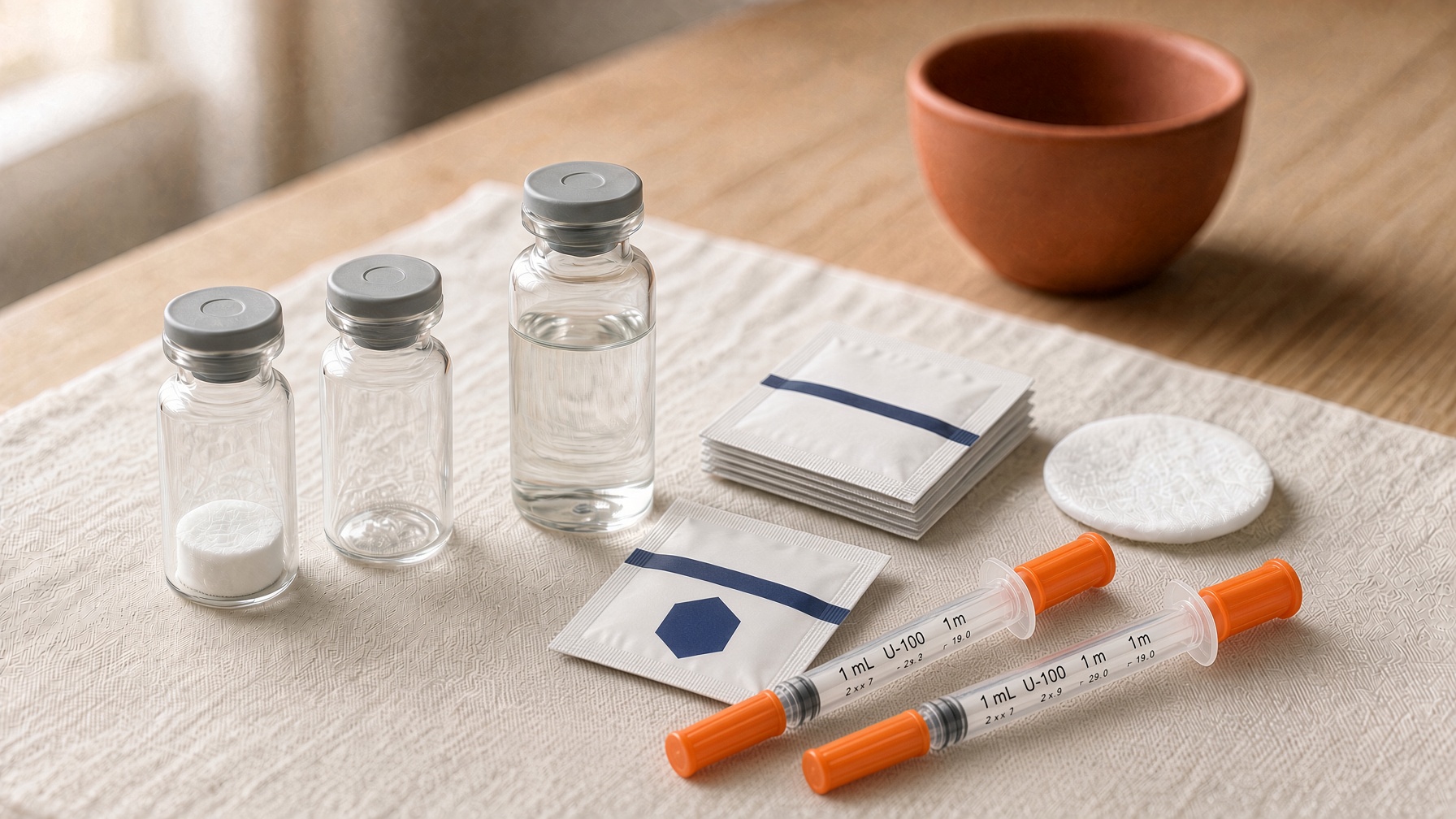
What a peptide is
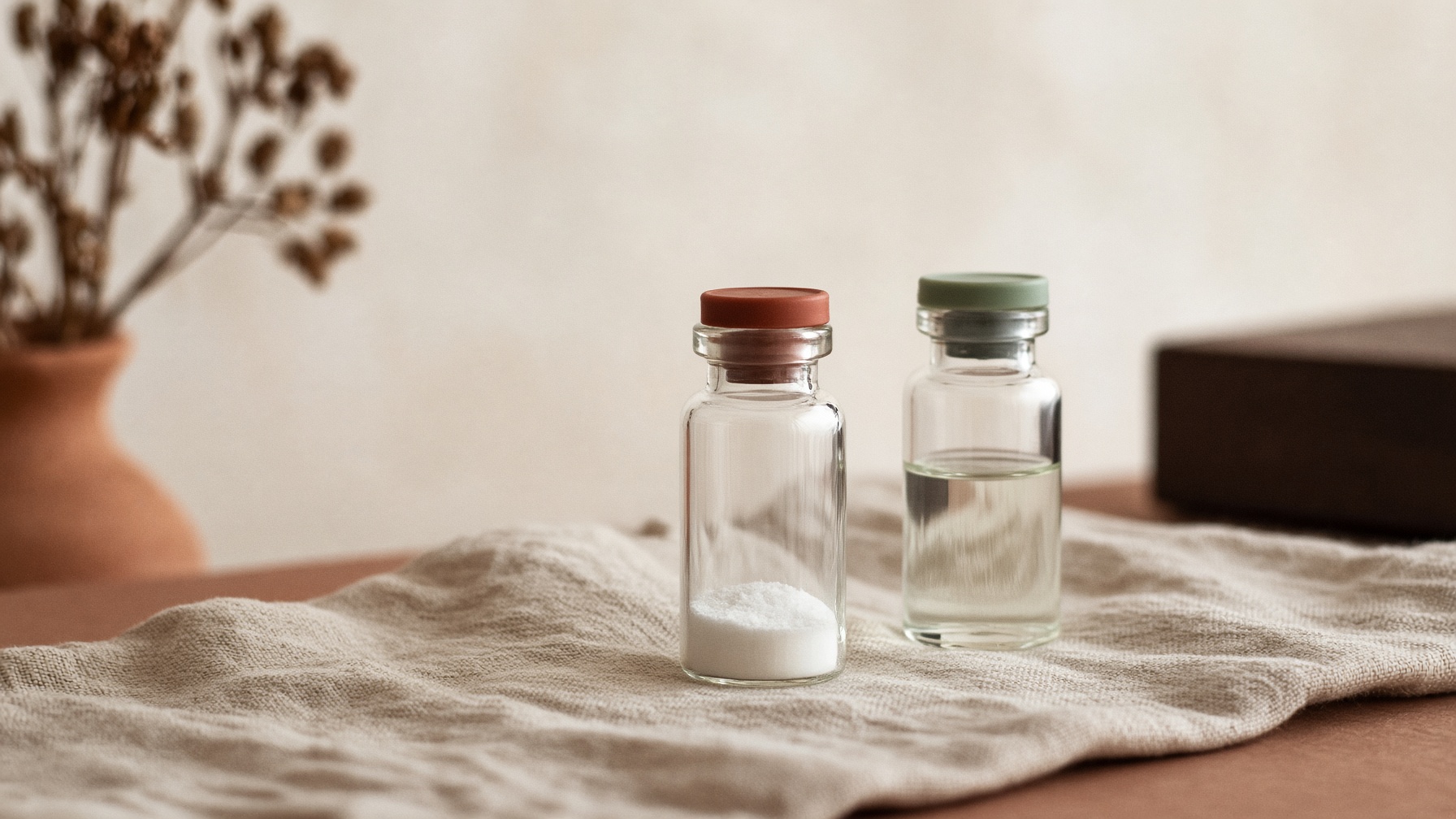
Imagine a protein as a long necklace. A peptide is a short piece of that necklace. In a research vial it is freeze-dried — a white puck. Mixing (reconstitution) is adding bacteriostatic water so you can draw a measured amount with an insulin syringe.
Six steps, with pictures
This is the whole mix. Then Dosage gives you a number. Mix turns that number into syringe ticks.
01
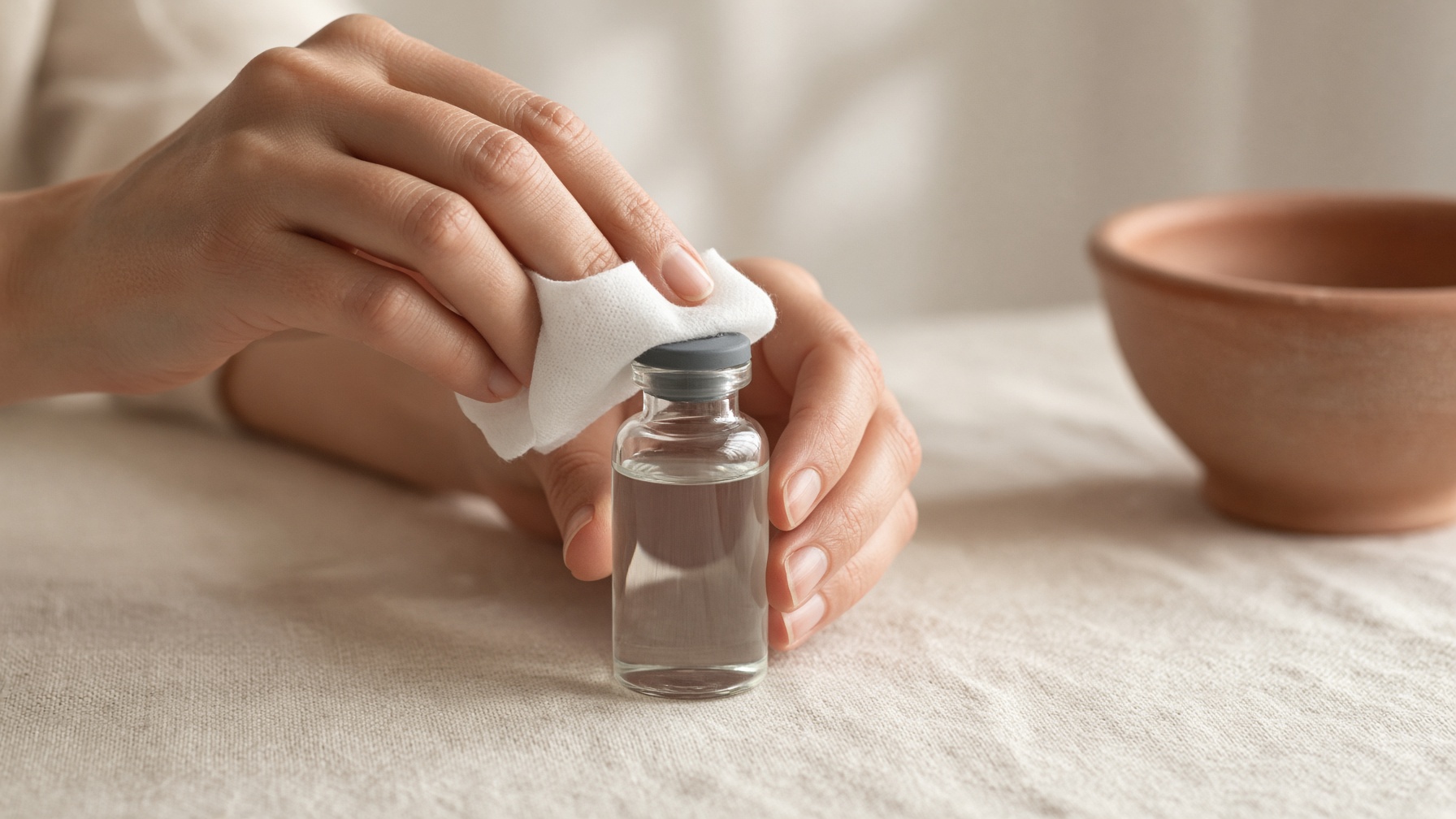
Wash and swab
Wash your hands. Wipe the rubber tops of both bottles with an alcohol swab. Let them dry.
02
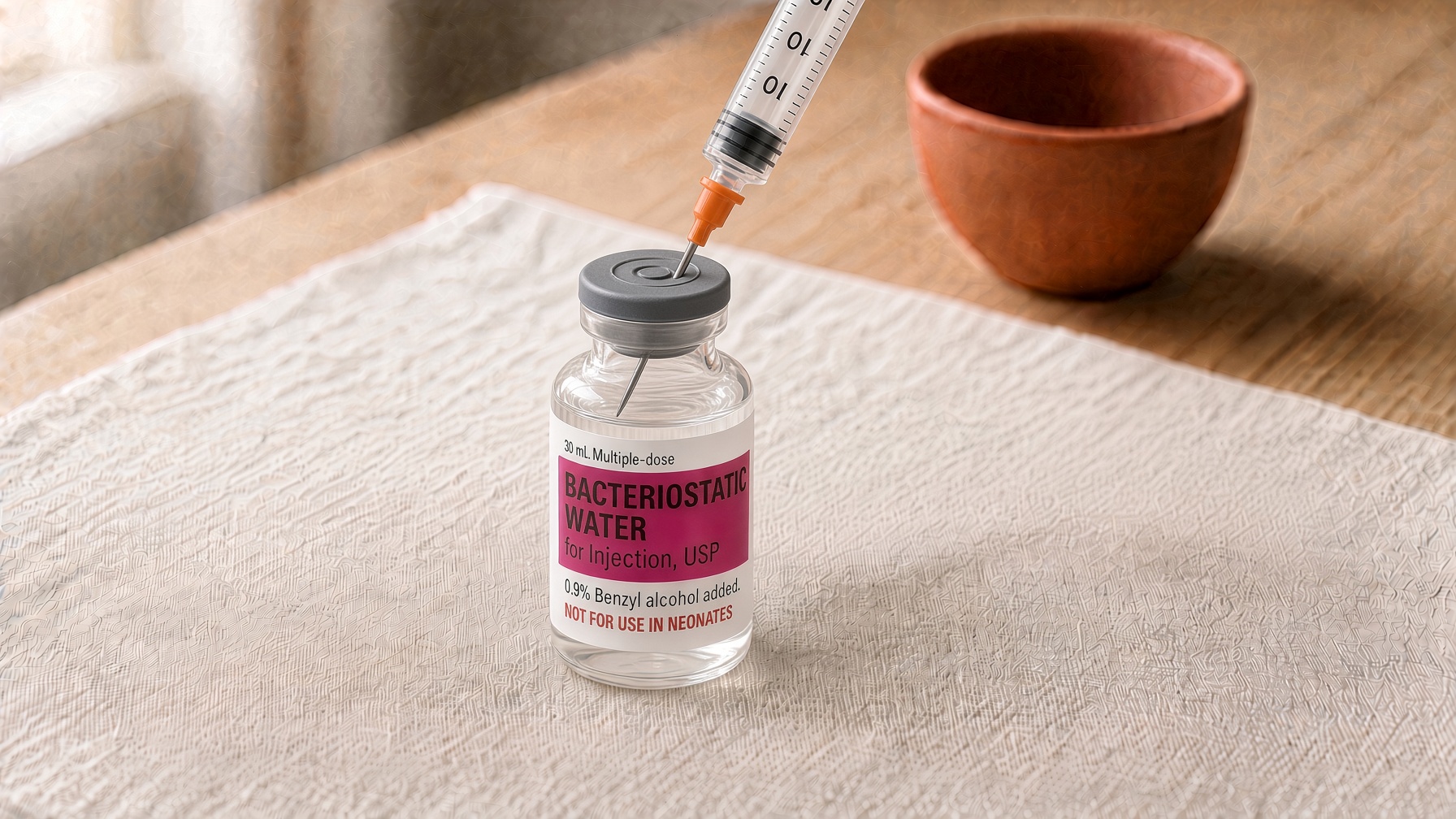
Draw the water
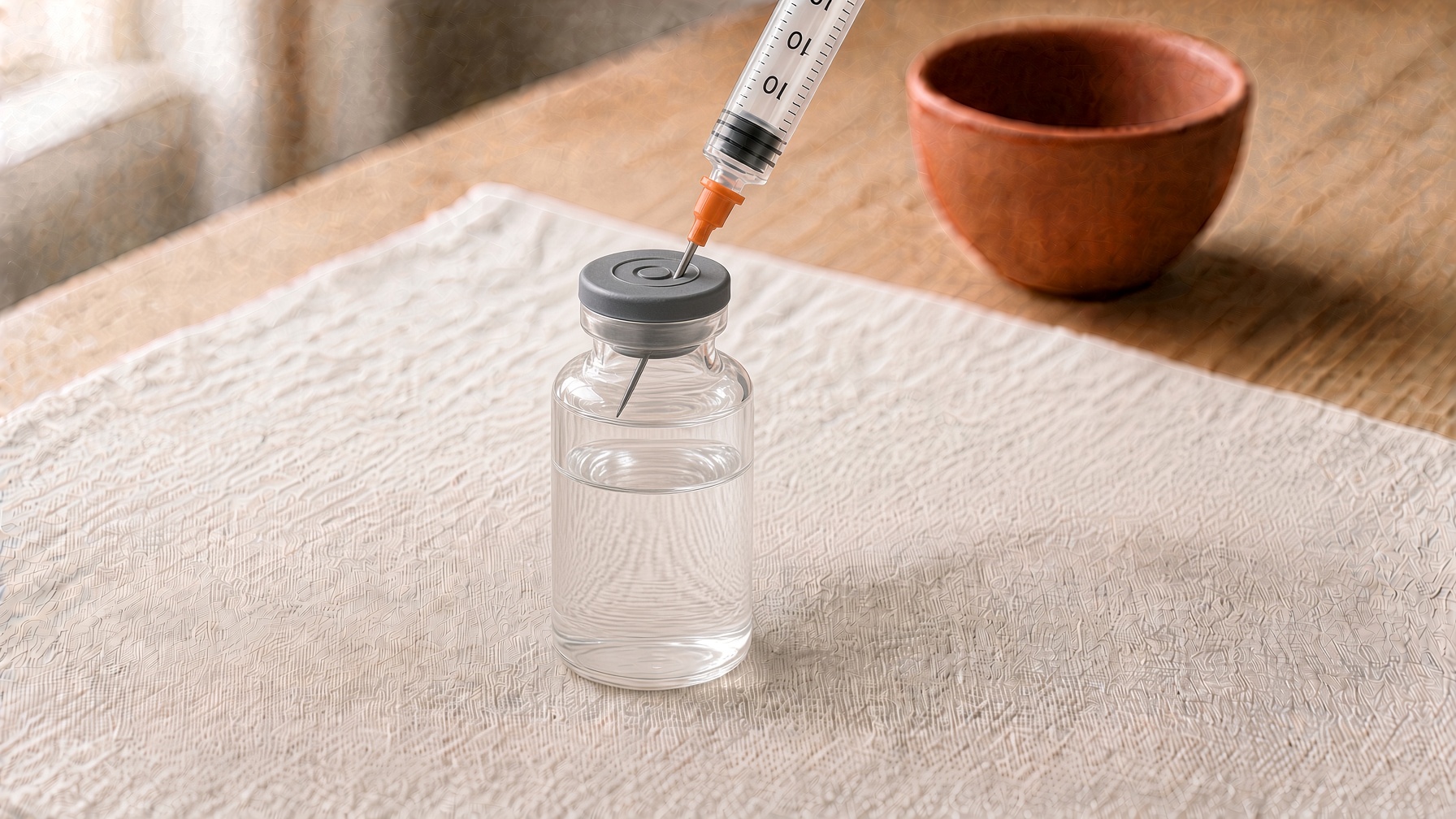
Pull bacteriostatic water into the syringe — the amount the calculator says, in milliliters.
03
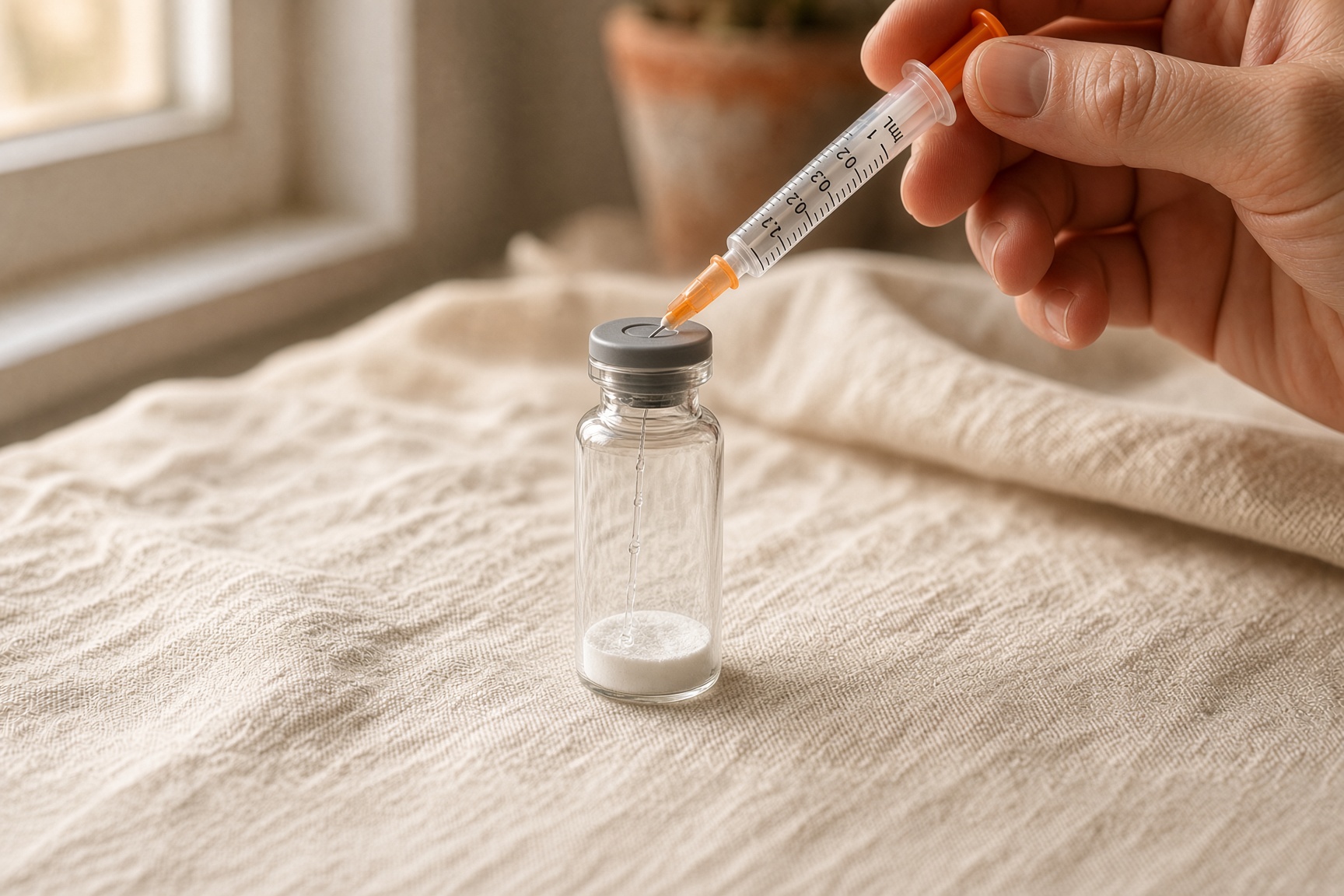
Add it to the powder
Push the water slowly down the inside glass of the peptide vial. Don’t blast the powder.
04
Swirl until clear
Roll the vial between your fingers. Never shake. If it stays cloudy or has specks, don’t use it.
05
Write it down
Label the name, how much water you added, and today’s date. Fridge, not freezer.
06
Draw your dose
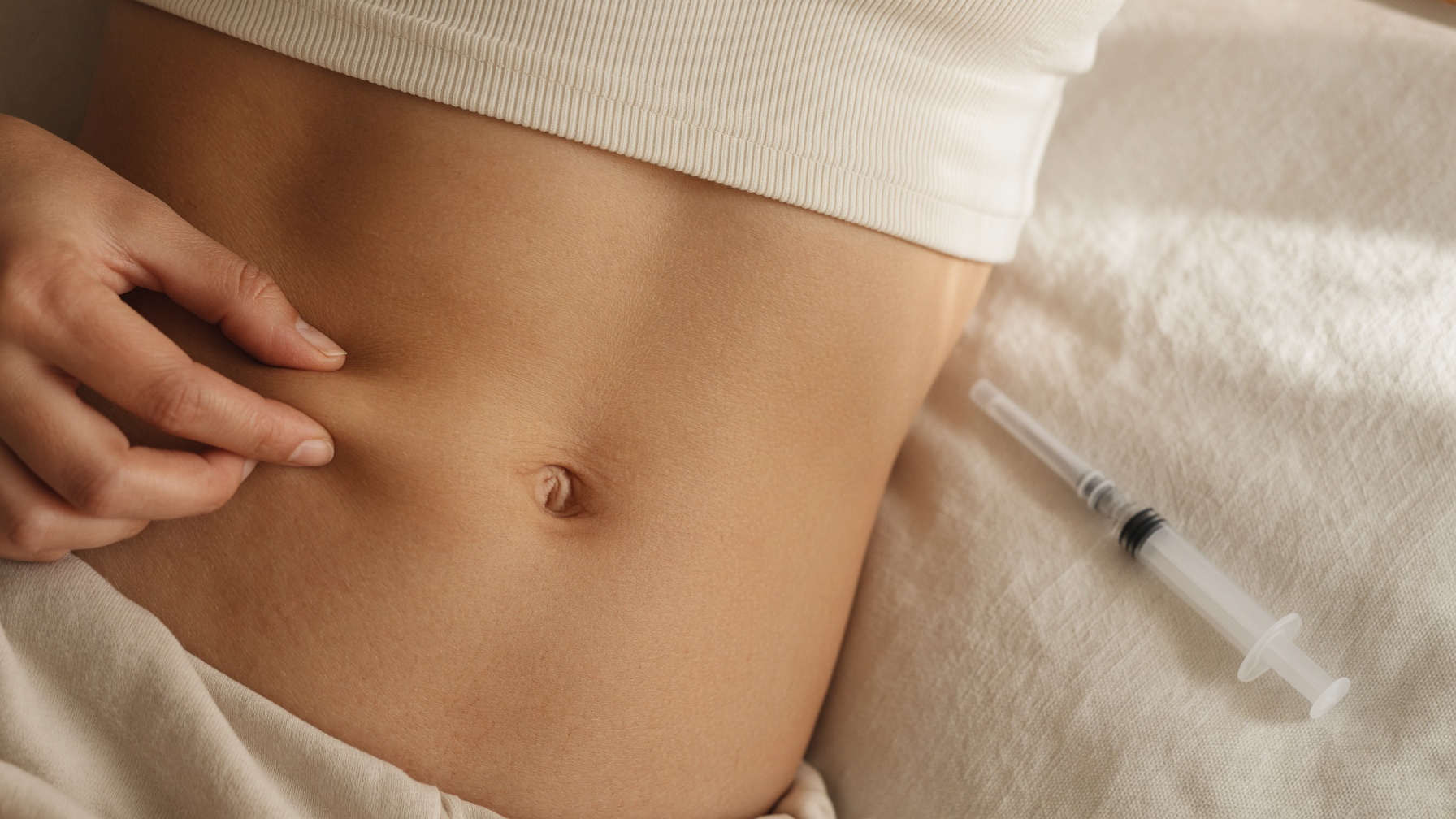
Wipe the top again. Invert. Pull to the unit number the calculator gives. Inject into a pinched fold of fat.
Glossary
- Peptide
- A short chain of amino acids — smaller than a protein. In this catalog they are research compounds or, for a few, approved drugs.
- Lyophilized
- Freeze-dried powder. That white puck in the vial is not ready until you add water.
- BAC water
- Bacteriostatic water: sterile water with 0.9% benzyl alcohol so you can draw from the same vial more than once. Plain sterile water is single-use.
- mcg / mg
- 1 milligram (mg) = 1,000 micrograms (mcg). Most peptides dose in mcg. The vial is usually labeled in mg.
- U-100 syringe
- A standard insulin syringe. 100 units = 1 mL. The number you draw is volume. How many mcg that is depends on how you mixed the vial.
- Subq
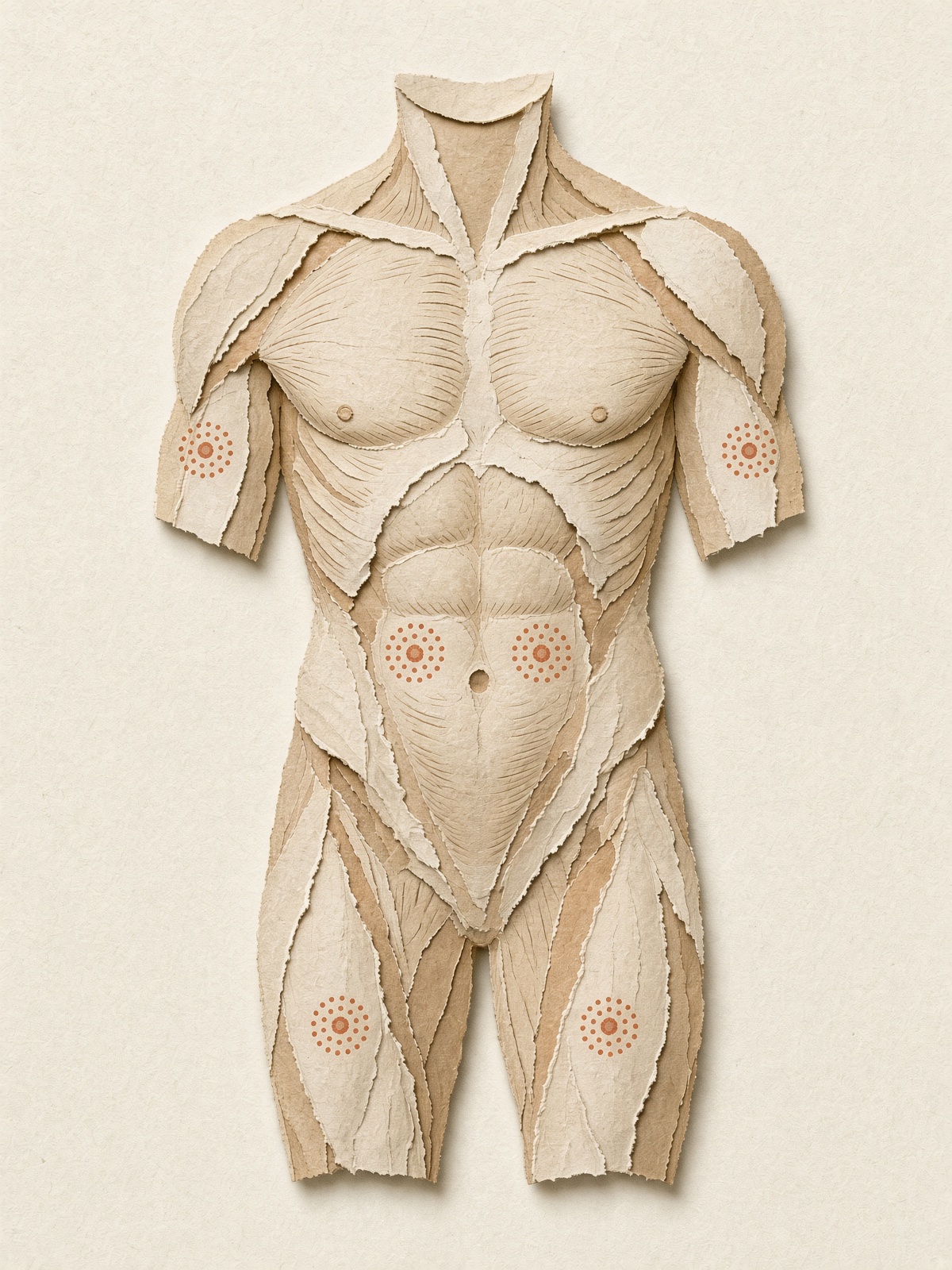
- Subcutaneous: into the fat under the skin, usually abdomen, thigh, or back of the arm. Not into muscle and not a vein.
- Reconstitution
- Adding water to the powder. That is all “mix” means.
Where the needle goes
Subcutaneous means the fat under the skin, not a vein and not muscle. Abdomen is the default. Stay two inches from the navel. Rotate so you do not keep hitting the same welt.
What to do next
- Get a dose sized to your weight — not a prescription, a neighborhood.
- Open Mix. It turns milligrams of powder into syringe ticks.
- Log the shot so site rotation is automatic.
Peptipedia is an educational calculator, not medical advice. Many catalog entries are unapproved for human use. Approved molecules have labels that outrank this app. Do not use this to self-prescribe. Consult a licensed clinician. Not for anyone under 18, pregnant, or being treated for cancer.